PCOS is not just an ovarian issue. It often reflects a larger
metabolic and endocrine pattern involving insulin, androgens,
inflammation, cycle signaling, skin, weight regulation, and
fertility.
PCOS can show up through irregular cycles, acne, hair growth
changes, scalp hair loss, pelvic discomfort, fertility
challenges, weight loss resistance, or signs of insulin
resistance. The common mistake is to see it only as a
reproductive diagnosis when it is often a wider metabolic and
endocrine pattern.
That wider frame matters because long-term risk can include
insulin resistance, type 2 diabetes, cardiovascular strain, and
inflammatory burden.
What is often going on underneath
Androgen excess:
higher androgen signaling can affect cycles, skin, hair, and
ovulation.
Insulin resistance:
higher insulin often amplifies ovarian androgen production and
makes weight regulation harder.
Cycle disruption:
ovulation can become irregular, delayed, or absent.
Inflammation and stress load:
these can worsen both metabolic and hormonal instability.
Why weight is not the whole story
Some people with PCOS are clearly struggling with obesity and
insulin resistance. Others are not. That is one reason PCOS is
so confusing. There are different phenotypes, and they do not
all present the same way. A useful approach respects this
variability instead of forcing every person into one pattern.
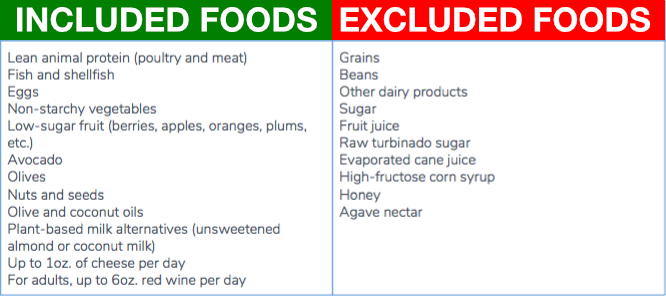
Nutrition can support the terrain, but food rules are most
useful when they are matched to insulin patterns, appetite
regulation, and the person’s broader physiology.
What a broader plan often includes
Nutrition quality, glycemic load, meal composition, movement,
sleep, stress regulation, and selective supplementation can all
matter. In some cases there is also a role for medications,
especially where insulin resistance is prominent. The point is
not ideology. The point is to reduce metabolic pressure and
restore better hormonal signaling.
Functional and East Asian medicine perspectives
Functional medicine tends to emphasize insulin, inflammation,
nutrient status, and the endocrine signaling loops involved.
East Asian medicine may describe the pattern through different
language, such as dampness, phlegm, stagnation, or kidney and
liver-related imbalances. These are different maps, but both can
be useful if they are grounded in the real person in front of
us.
Bottom line:
PCOS care works best when the plan addresses the whole pattern,
not only the visible symptom that brought someone in.